
Do you want to get inspired fast? on creating a result-driven YouTube video. Below are nine foolproof ideas to get you started.
1. How to Create Copywriting Videos
Are you a Content creator, marketer, copywriter, Graphics designer, etc.? Do you wish to gain insight into how-to videos to show off your skills?
Below are two ways to differentiate your how-to videos:
(i) Educate via a real-world example
We learn better when we see advice in action.
Back up your claims with results featuring an actual company, so viewers can see how a solution works in a real-world context.
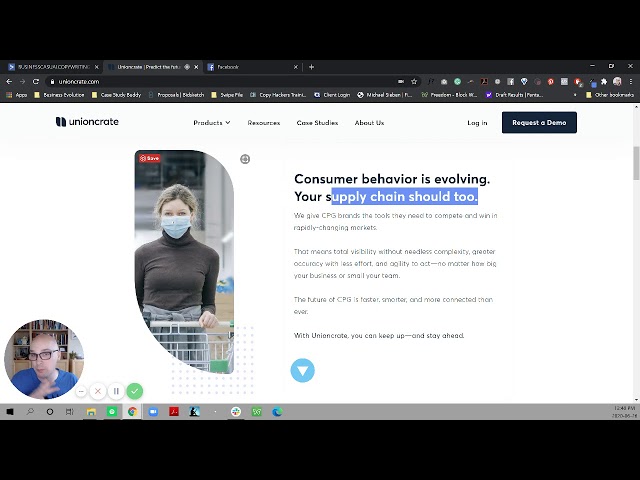
Watch how Joel Klettke flexes his conversion copywriting chops in this 13-minute video. He shows viewers how to write for two audiences on a web page featuring a supply chain company as an example.
(ii) Feature subject matter experts
There are two main benefits of roping in experts in your how-to videos.
One, you feature a wide range of unique insights from all walks of life.
For example, here’s Amanda Natividad, VP of marketing at SparkToro, chatting with Chi Thukral about creativity on her YouTube Live talk show, The Menu.

Note that The Menu is more of an interview-style than a how-to video. Nonetheless, the idea of inviting guests on your show (especially if they teach your audience something new) is just as helpful here.
Two, you bake distribution naturally into your videos. After you publish the how-to video on YouTube, invite the subject matter experts to promote it to their followers.
2. Product reviews
It’s tough reviewing a product and its competitors without sounding biased. As business owners, of course, we think our product’s the best. It’s the fruit of our labor!
Fortunately, there’s a straightforward solution.
Pick a brand that (a) indirectly relates to your own business and (b) shares your target audience.
Let’s imagine you’re the founder of a lead scoring platform. Instead of stacking up your tool against competitors, review complementary tools like:
- Product analytics platforms (e.g., Pendo, Appcues)
- Marketing automation suites (e.g., HubSpot, Marketo)
- Customer experience automation platform (e.g., ActiveCampaign, Zoho)
Product review videos are a no-brainer, especially if you’re in the SaaS industry and your product integrates with these tools.
It allows you to naturally weave in your product as a complementary solution without sounding salesy.
3. Reaction videos
Reaction videos are basically that—videos of you reacting to videos.
True, these casual videos are nowhere near as educational as your standard tutorial videos, but they can add a fun touch to your marketing.
To make this work, pick a show relevant to your business (e.g., If you run a martial art school, talk about shows like Cobra Kai or superhero movies like Shang Chi). Bonus if it’s popular and everyone’s talking about it.
Joanna Yung, a social media manager, recorded a video of herself reacting to Emily in Paris, a show about a young American woman working a social media job in Paris.
Since its premiere, the Netflix show has received flak for its unrealistic depiction of social media marketing. In one scene, Joanna talks about how it’s absurd for Emily, the protagonist, to post a picture to a client’s account without editing and sending it for approval first.

Towards the end, Joanna promotes her social media workshop. It would have been weird if she’d announced it in a Cobra Kai reaction video, but in this case, it works.
Reaction videos are often silly.
But when done correctly, they add a memorable touch, show off your personality, and differentiate your business from the boringly predictable pack of competitors.
4. Opinion videos
Did a recent viral tweet tick you off?
Disagree with a leading company’s alleged best practice?
Need to get something off your chest about your industry, but for some ridiculous reason, no one’s talking about it?
Create an opinion video.
These types of thought leadership videos are perfect, as you grab attention from a wider audience and share a contrarian view that gives prospective customers a new perspective.
In this video, Ross Simmonds, CEO of Foundation Marketing, makes his case about niching down in the SaaS industry and backs it up with a case study.

Pro tip: You don’t need to create every YouTube video from scratch. This one-minute video was created out of a live event. That’s right, Ross shortened and repurposed it as a video!
5. A day in the life videos
If you work in an unconventional field—think organizer consultant like Marie Kondo—or you’re a thought leader with a huge social following, you can’t go wrong with a day or week in the life videos.
These videos are often inspirational, as they give viewers a no-holds-barred look at what it means to be scrappy in business.
Take our Chief Sumo, Noah Kagan. This video gives Sumo-lings a peek into his daily life as an eight-figure entrepreneur.

6. Comparison videos
Comparison videos help users decide which product works best without requiring them to try them out.
Similar to product videos, comparison videos revolve around products or services indirectly related to your business.
- If you’re a project management coach for freelancers, compare Asana and Monday
- If you’re a nutritionist for busy working parents, compare HelloFresh and Sunbasket
- If you’re a marketer from a startup that sells metrics reporting dashboards, compare SEO tools like Ahrefs and SEMrush
Here’s a video of Scott Friesen comparing two popular productivity tools: Trello and Notion.
Note how the productivity specialist breaks down both tools in ease of use, pricing, integrations, and more.
Toward the eighth-minute mark, he shares the following two videos: a tutorial of Notion and a set-up guide on Trello.
These comprehensive videos reinforce Scott’s authority as a productivity coach. Undoubtedly, viewers will subscribe to his channel to learn more about project and time management.
7. Round-up videos
Round-up videos are a collection of great (and sometimes worst) content on a chosen topic.
If you’re a freelance videographer, create a round-up of the best video editing suites. If you’re a marketing agency owner, do a round-up of the best SEO tools. You get the picture.
Here’s Stuart Thomas, a technology content creator, highlighting the best and worst tech announcements for CES 2022.
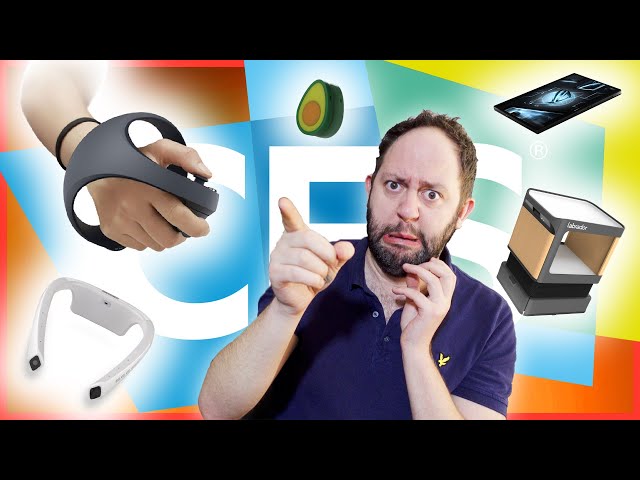
Round-up videos also let you promote your affiliate links. In Stuart’s case, he promotes it in the video description.
If you want to earn passive income via affiliate marketing, consider giving round-up videos a shot.
8. Testimonial videos
Testimonial videos visually capture your clients’ emotion and body language.
Enough said, they’re a lot more convincing than the standard written testimonials.
Depending on the resources and nature of your business, your testimonial videos can be as polished as a Hollywood film or as simple as a 27-second video.
Below, we see Ashley Carter commending the Case Study Buddy team for their successful collaboration.

Testimonial videos make powerful sales magnets. You should definitely create them to convert prospects further down the sales funnel.
9. Explainer videos
Explainer videos are product demos usually recorded in under three minutes.
These videos share how a product works and often highlight the features, benefits, and unique selling proposition.
Watch how Eman Zabi, founder of The Scribesmith, explains how her launch planner app works in this short video.
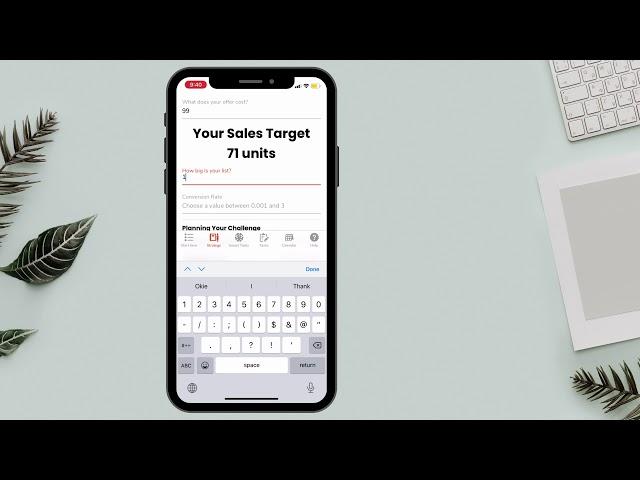
The video cuts to the chase and intrigues you to download the app stat.
Conclusion
Videos shouldn’t only generate views. They should also funnel your viewers outside of YouTube and get actual business results.
FAQs
1. What are some effective YouTube video ideas for creators and marketers?
Creators and marketers can explore various video formats such as:
Tutorials/How-To Videos – Teach your audience a skill or process.
Product Reviews – Showcase and evaluate products in your niche.
Behind-the-Scenes Content – Give viewers a glimpse of your creative or business process.
Listicles/Top 10 Videos – Share curated lists that provide value or entertainment.
Case Studies/Success Stories – Highlight real-world examples to inspire or educate.
Interviews/Collaborations – Feature industry experts or other creators to expand reach.
Q&A Videos – Answer frequently asked questions from your audience.
Vlogs – Share personal experiences or updates to build relatability.
Challenges/Trends – Participate in popular trends to boost engagement.
2. How can I choose the best YouTube video idea for my channel?
To select the most suitable idea, consider:
Your target audience’s interests and pain points.
Your niche and expertise.
The type of content that aligns with your brand goals (educational, entertaining, or promotional).
What your competitors are doing and what gaps you can fill.
Your available resources and skills to produce the video effectively.
3. Can these video ideas help increase engagement and subscribers?
Yes. Consistently creating high-value and diverse content keeps viewers interested. Videos like tutorials, listicles, and Q&A sessions often generate more comments, likes, and shares, while collaboration videos can attract new audiences and boost subscriber growth.
4. How often should creators post these types of videos on YouTube?
Posting frequency depends on your content quality and resources. Generally:
1–2 videos per week is ideal for building consistency.
Rotate different video types to maintain variety.
Track engagement metrics to see which formats perform best and adjust accordingly.